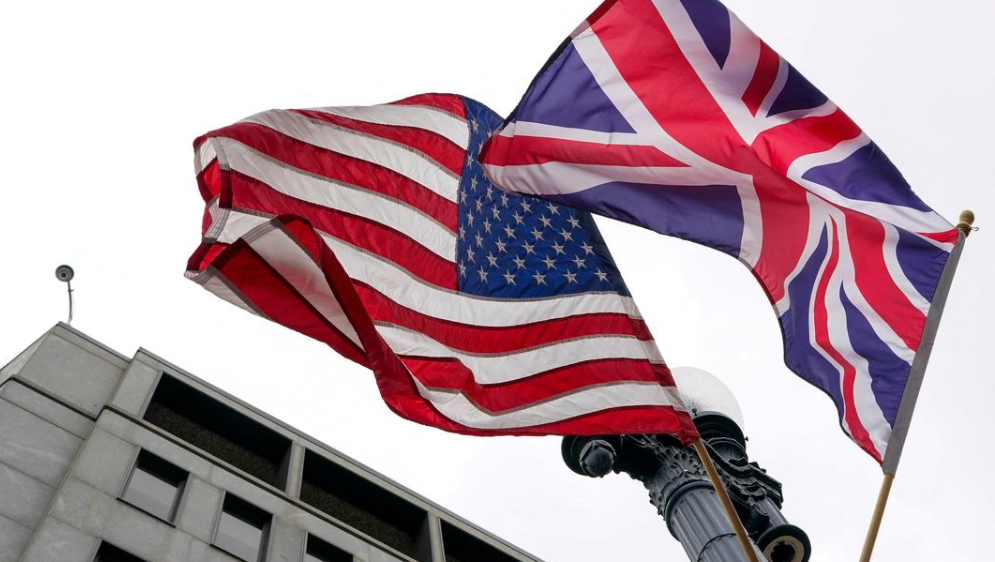
King Charles III Visits Washington to Strengthen U.K.–U.S. Relations Amid Diplomatic Sensitivity
Introduction
King Charles III has arrived in Washington for a high-profile state visit aimed at reinforcing the long-standing relationship between the United Kingdom and the United States. The visit comes at a moment of diplomatic sensitivity, with global security concerns and policy differences shaping the backdrop of transatlantic engagement.
Taking place nearly 250 years after American independence from Britain under King George III, the visit carries both historical symbolism and modern geopolitical importance.
Security in Focus Ahead of State Visit
Recent security developments have brought additional attention to the visit. An incident at a formal gathering attended by Donald Trump prompted a review of safety arrangements ahead of the royal itinerary.
Officials confirmed that all scheduled events will proceed following a comprehensive security assessment. The visit continues to be framed as part of broader celebrations linked to the United States’ 250th anniversary.
Diplomatic Context and Policy Differences
The visit takes place amid policy differences between the U.K. government, led by Keir Starmer, and the U.S. administration. Discussions around international security and military strategy have highlighted differing approaches, contributing to a more complex diplomatic environment.
Despite these differences, both sides have emphasized the enduring nature of the U.K.–U.S. partnership, often described as a “special relationship” rooted in shared history, economic ties, and strategic cooperation.
Role of the Monarchy in Modern Diplomacy
King Charles III’s visit underscores the continued importance of soft power in international relations. While the British monarchy no longer holds direct political authority, it plays a key role in:
- Strengthening diplomatic relationships
- Promoting cultural and historical ties
- Supporting long-term international cooperation
Experts note that such visits help maintain continuity in global partnerships, especially during periods of political change.
Key Events During the Visit
The four-day itinerary includes several high-level engagements:
- Official meetings with U.S. leadership
- A formal state dinner at the White House
- Cultural and commemorative events
- A historic address to the U.S. Congress
The congressional address marks a rare moment, reflecting the significance of the bilateral relationship.
Broader Global Significance
The visit highlights several important global themes:
- The evolving role of diplomacy in a multipolar world
- The importance of alliances in addressing global challenges
- The continued relevance of symbolic leadership in international affairs
It also reinforces how historical relationships continue to shape present-day geopolitical strategies.
Strategic Outlook
Looking ahead, the success of the visit will likely be measured by:
- Stability in U.K.–U.S. diplomatic engagement
- Continued cooperation on global security and economic issues
- The effectiveness of soft power in bridging policy differences
The visit is expected to contribute to long-term dialogue rather than immediate policy shifts.
Conclusion
King Charles III’s 2026 visit to Washington represents a carefully balanced diplomatic effort during a period of global complexity. While political differences remain, the visit emphasizes continuity, cooperation, and the enduring significance of transatlantic relations.
Post a comment